Explore Our Free Stuff Page: Downloadable Resources for Everyone
Good resources should not feel locked behind a maze. If a checklist, worksheet, guide, or printable can help someone plan faster, learn something new, or stay organized, it should be easy to find and simple to use.
That is the idea behind our Free Stuff page.
It is a growing collection of downloadable resources made for everyday use. Some are practical tools. Some are learning aids. Some are quick reference sheets you can keep nearby. All of them are meant to save time, spark ideas, or make the next step feel clearer.
Whether you are planning a project, organizing information, teaching a concept, or looking for something useful to print and share, the Free Stuff page is a simple place to start.

The Free Stuff page keeps helpful tools in one place
It is easy to lose useful resources across old emails, saved links, browser bookmarks, and random files. The Free Stuff page solves that problem by giving downloadable materials a clear home.
Instead of searching from scratch every time, visitors can browse one place and look for the resource that fits the task at hand.
The page may include items such as:
Printable worksheets
Good for planning, reflection, note-taking, or step-by-step tasks.
Checklists
Helpful when you want to make sure nothing gets missed.
Guides
Useful when a topic needs a little more explanation.
Templates
A starting point when a blank page slows things down.
Reference sheets
Great for quick reminders, definitions, examples, or repeat tasks.
Activity pages
Simple materials that can support learning, practice, or creativity.
The best part is that these resources are designed to be used right away. Download the file, open it, save it, print it, or share it when appropriate. No complicated setup should be needed.
Free resources lower the barrier to getting started
Starting is often the hardest part of any task. A blank page can slow down even a simple project. A guide, worksheet, or template gives the first step some shape.
That is what makes downloadable resources so useful. They turn a vague idea into something visible.
A planning worksheet can help organize scattered thoughts. A checklist can make a multi-step task feel less overwhelming. A guide can explain what to do next without requiring a long search. A template can give structure before the details are fully worked out.
Free resources also make it easier to try something before committing time, money, or extra tools. If a download helps, keep using it. If it is not the right fit, move on without pressure.
That flexibility matters.
A good free resource should feel like a helpful nudge, not a sales pitch. It should answer a real need and give the user something they can put to work.
What makes a downloadable resource worth saving
Not every free download earns a place in a folder or on the fridge. The most useful ones tend to share a few traits.
They are clear. You should know what the resource does within a few seconds of opening it.
They are focused. A strong resource solves one problem well instead of trying to cover everything.
They are easy to use. The layout should make sense. Instructions should be short. The file should not require special knowledge just to begin.
They are flexible. A great worksheet, checklist, or template can often be used in more than one setting.
They are worth returning to. Some resources help once. The best ones become part of a routine.
When browsing the Free Stuff page, look for downloads that match your immediate need. A resource does not need to be fancy to be helpful. In many cases, the simplest tool is the one that gets used most often.
Different downloads can support different goals
The Free Stuff page is built around variety because people use resources in different ways. One person may need a quick printable. Another may want a guide they can read carefully. Someone else may be looking for a template they can adapt.
Here are a few common ways downloadable resources can help.
They can make planning easier
Planning does not always need a complex system. Sometimes it only takes a one-page worksheet with a few smart prompts.
A good planning download can help organize:
Goals
Tasks
Deadlines
Materials
Questions
Priorities
Next steps
This is useful for home projects, school assignments, personal goals, events, creative work, and everyday routines.
The value is not in making a plan look perfect. The value is in getting the plan out of your head and into a format you can actually follow.
They can make learning more manageable
Downloadable guides and reference pages can turn a broad topic into smaller pieces. That helps when someone is new to an idea or needs a quick reminder.
A short guide might explain basic terms. A worksheet might help apply a concept. A reference sheet might summarize key points on one page.
These kinds of resources are especially helpful when learning happens in small pockets of time. You can download a file, read it when ready, and come back to it later.
They can save repeat effort
If you do the same kind of task often, a template can be a quiet time-saver.
Templates reduce the need to rebuild the same structure again and again. They give you a place to start, then leave room for your own details.
That might mean a simple tracker, a planning page, a form, a list, a worksheet, or a reusable outline.
The right template helps you focus on the content instead of the format.
They can help families, groups, and teams stay aligned
Some downloads work well when several people need the same information. A shared checklist, instruction sheet, or activity page can reduce confusion.
This can help with group projects, household routines, classroom activities, volunteer work, clubs, and community events.
A printable resource gives everyone the same reference point. That can be useful when people are working at different times or in different places.
How to choose the right free download
A page full of resources is helpful, but it can also be easy to over-download. The goal is not to collect every file. The goal is to pick what will actually help.
Start with one question:
What do I need to do next?
Then choose the download that supports that specific step.
If you need to organize ideas, look for a worksheet or planner.
If you need to avoid missing steps, choose a checklist.
If you need to understand a topic, open a guide.
If you need a repeatable format, download a template.
If you need something quick to keep nearby, pick a reference sheet.
It also helps to create a simple system for saving downloads. A crowded downloads folder can turn useful files into clutter.
Try this:
Create one folder for free resources.
Add subfolders by topic or use.
Rename files so you can understand them later.
Delete anything you know you will not use.
Print only the pages you actually need.
This keeps the Free Stuff page useful beyond the first visit. Downloads should support your work, not create another pile to sort through.

Simple ways to get more value from each resource
A free download becomes more useful when it fits naturally into real life. Small habits can help.
Save a clean copy
If the resource is a template or worksheet, save an untouched version. Then make copies when you need to use it again.
This is especially helpful for planners, trackers, forms, and reusable worksheets.
Print only what you need
Not every resource needs to be printed in full. If a guide has one page you want to reference, print that page only. If a worksheet works better on paper, print a single copy first and test it.
This saves paper and keeps the process simple.
Pair downloads with a real task
A checklist is most useful when attached to a specific project. A guide is more useful when read before making a decision. A worksheet works better when there is time to fill it out thoughtfully.
Do not let downloads sit unused. Match each one to something you plan to do.
Share thoughtfully
If a resource is free and meant to be shared, pass it along in a way that respects the creator’s terms. Send people to the Free Stuff page when possible so they can access the latest version.
This also helps others discover related materials they may find useful.
Revisit the page from time to time
A Free Stuff page can grow. New resources may appear as needs change, questions come up, or fresh materials are created.
Checking back now and then can help you find tools you did not know you needed the first time.
Who can benefit from the Free Stuff page
The wide appeal of free downloads comes from their flexibility. A single resource can serve different people in different ways.
Parents and caregivers may use printable pages for activities, routines, or planning.
Students may find worksheets, guides, or templates useful for organizing assignments and study notes.
Teachers and tutors may look for quick materials to support lessons or practice.
Small groups may use planning sheets, checklists, or reference pages to stay organized.
Creative people may use prompts, idea sheets, or planning templates to keep projects moving.
Anyone managing personal goals may appreciate a simple tracker or worksheet that makes progress easier to see.
The Free Stuff page is not limited to one type of user. It is there for anyone who wants practical, downloadable help without extra friction.
Why free does not have to mean basic
People sometimes assume free resources are throwaways. That does not have to be true.
A free download can still be thoughtful, clear, and genuinely helpful. In fact, free resources often work best when they are simple. A one-page checklist that prevents mistakes may be more valuable than a long document no one finishes reading.
Good design is about usefulness. It should be easy to read, easy to print, and easy to understand. The file should help someone take the next step without adding confusion.
That is the standard we want the Free Stuff page to meet. The resources should feel practical, welcoming, and worth keeping.
A few ideas for using your first download
If you are not sure where to start, choose one resource and use it the same day. That small action turns a download into a tool.
Here are a few easy first uses:
Print a checklist and keep it where the task happens.
Save a guide in a folder for later reference.
Fill out one worksheet before starting a project.
Use a template for a recurring task this week.
Share a helpful activity page with someone who could use it.
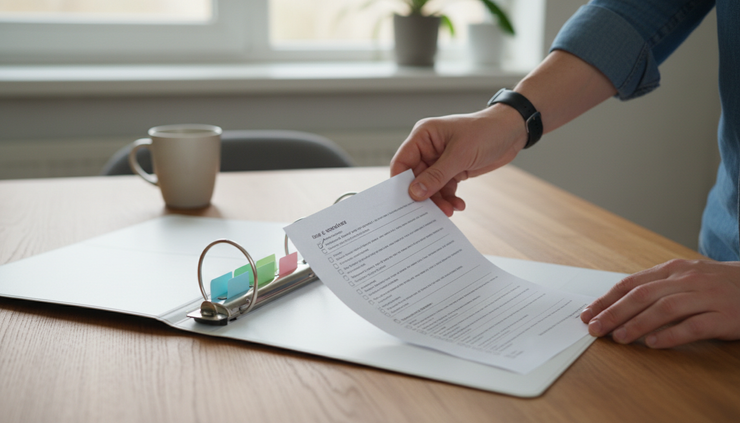
Keep a reference sheet in a binder or on a bulletin board.
The goal is not to build a perfect system. The goal is to make one thing easier.

The Free Stuff page is made to be useful right away
A strong resource library does not need to be complicated. It needs to be easy to browse, easy to download, and easy to put to work.
That is what makes the Free Stuff page worth exploring. It brings helpful materials together in one place and gives you practical options for planning, learning, organizing, teaching, creating, and sharing.
Start with one download that matches a real need. Use it, save it if it helps, and come back when you need something else. The best free resources do not just sit in a folder. They help make the next step clearer.



Comments